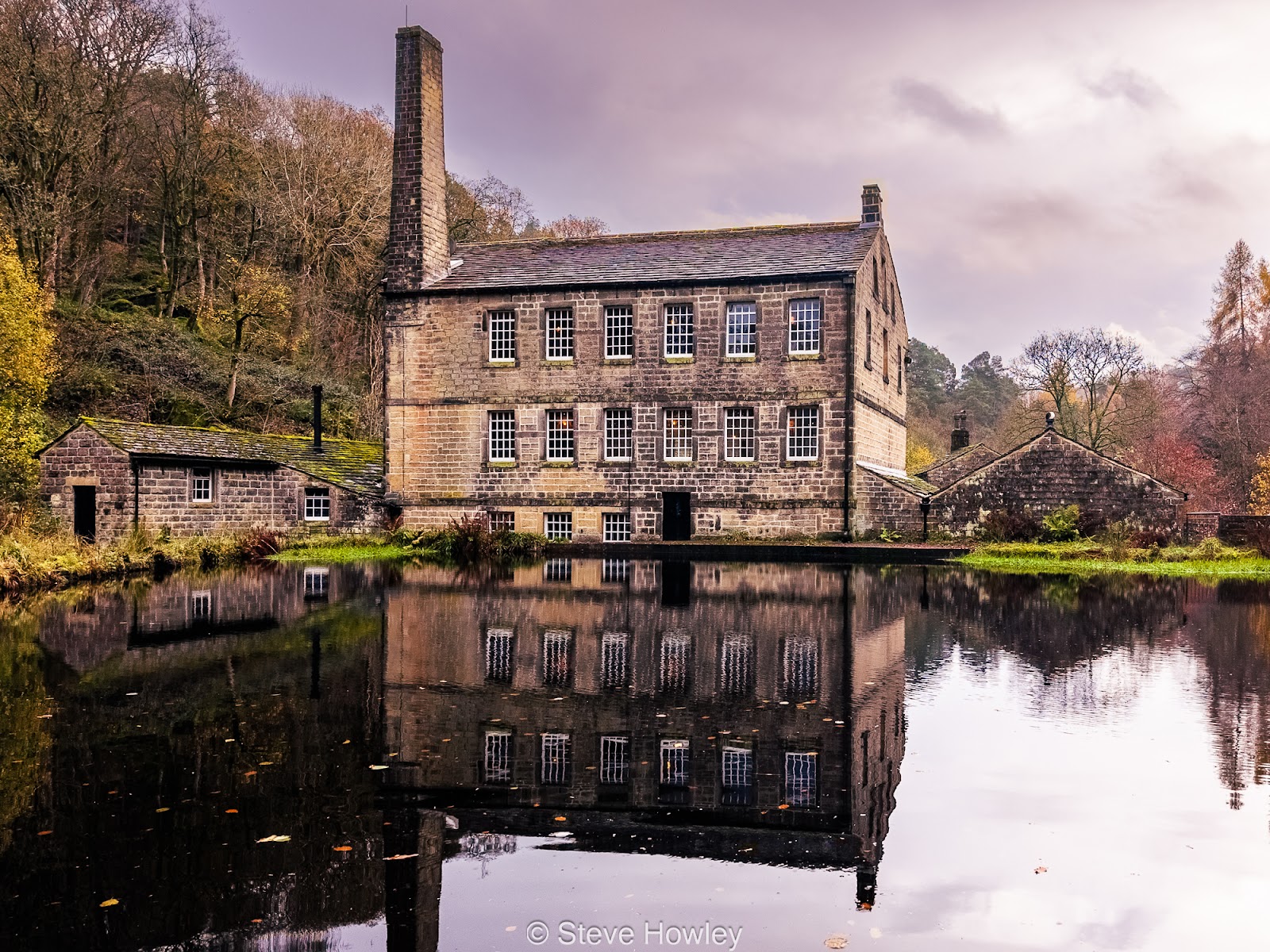
There is a moment each October when the River Wharfe runs dark beneath a ceiling of amber and rust, and the limestone pavements of the Dales catch the low afternoon light, and you understand why generations of painters and poets have returned to Yorkshire when the leaves begin to turn. Autumn here is not a single event but a slow, generous unfolding that lasts from the first September mists to the last November frosts, and it touches every corner of this vast and varied county.
This guide covers the best of Yorkshire in autumn, from high-level walks and waterfall trails to deer parks, historic gardens and the cultural warmth of its cities and market towns.
The Bolton Abbey Estate and Strid Wood
If you visit only one place in Yorkshire this autumn, make it the Bolton Abbey Estate in Wharfedale. The estate covers around 30,000 acres and includes some of the finest deciduous woodland in northern England, but it is Strid Wood that draws visitors back year after year when the season turns.
Strid Wood is home to one of the largest remaining stands of sessile oak in the Yorkshire Dales, alongside beech, sycamore and elm. In October, the canopy becomes an extraordinary tapestry of copper, gold and deep crimson, reflected in the dark waters of the River Wharfe below. Beneath the trees, the woodland floor comes alive with fungi, including fly agaric, death cap and stinkhorn, making it a rewarding spot for foragers and naturalists.
The riverside path through Strid Wood passes The Strid itself, a dramatic narrowing of the river where the full force of the Wharfe is squeezed through a gap barely a few feet wide. It is a mesmerising sight but a genuinely dangerous one; the currents beneath are lethal, and visitors should keep well back from the edge.
For a longer walk, continue upstream into the Valley of Desolation, named after a devastating storm in 1826. The valley climbs through mixed woodland to a lovely waterfall with a shallow pool at its base, and the path can be extended further to the summit of Simon's Seat at 485 metres, where the views across the Dales in autumn colour are superb. The full circuit from the Cavendish Pavilion car park is roughly 8 kilometres. Note that estate car parking charges apply; check the Bolton Abbey website for current prices.
While on the estate, take time to explore the ruins of Bolton Priory, a 12th-century Augustinian monastery set on a bend in the river. The combination of ancient stone, autumn foliage and the sound of the Wharfe is unforgettable, and it is easy to see why J.M.W. Turner sketched the scene from the viewpoint known as Pembroke Seat.
Malham Cove and the Limestone Dales
Autumn is an excellent time to walk the classic Malham circuit in the southern Dales. The summer crowds thin out, the air is crisp, and the limestone scenery takes on a particular clarity in the low-angled light.
The circular route from Malham village takes in three of Yorkshire's most celebrated natural features. Janet's Foss is a modest but beautiful waterfall set in a mossy, wooded gorge, at its best when autumn rain swells the flow. From there, the path leads to Gordale Scar, a dramatic limestone ravine with overhanging cliffs and a tumbling cascade. The final highlight is Malham Cove itself, a curving amphitheatre of pale limestone some 80 metres high. Climb around 400 stone steps to the top and you emerge onto the famous limestone pavement, a lunar landscape of clints and grykes stretching 300 metres across.
The full circuit covers roughly 8 kilometres and takes three to four hours at a comfortable pace. The paths are well maintained but can be muddy after rain, so sturdy waterproof boots are essential in autumn. Free parking is limited in the village, but there is a Yorkshire Dales National Park car park at the southern end of Malham.
Aysgarth Falls and Wensleydale
Further north in Wensleydale, Aysgarth Falls is one of the Dales' most visited waterfall sites, and autumn is arguably its finest season. The River Ure drops over three broad limestone steps, known as the Upper, Middle and Lower Falls, surrounded by ancient woodland that blazes with colour from late September.
After heavy autumn rain, the Ure swells into a formidable torrent, and the falls become a thundering spectacle quite different from their gentle summer character. If you are lucky and patient, you may spot Atlantic salmon leaping the falls on their way upstream to spawn, a sight that typically occurs from October into November.
A well-signed footpath from the National Park visitor centre and car park at Aysgarth connects all three falls, and the walk can be extended along the river in either direction. The visitor centre has a small exhibition and a cafe, making it a good wet-weather fallback.
The Deer Rut at Fountains Abbey and Studley Royal
One of the great wildlife spectacles of the English autumn takes place in the deer park at Fountains Abbey and Studley Royal, a UNESCO World Heritage Site managed by the National Trust near Ripon.
The park is home to around 300 deer across three species: red, fallow and sika. During October and November, the annual rut transforms the park into a theatre of bellowing stags, clashing antlers and dramatic displays of dominance. The deep, resonant roar of a red deer stag echoing across the parkland on a misty autumn morning is a truly primal experience.
Visitors should maintain a distance of at least 50 metres and stick to the paved and mown paths, as rutting stags are powerful and unpredictable. The deer park walk is free to access, though there is a charge for visiting the abbey ruins and the elegant 18th-century water garden. Check the National Trust website for current admission prices.
While you are there, the combination of the Gothic abbey ruins framed by autumn foliage and reflected in the still waters of the Moon Ponds and the canal is one of the most photographed scenes in northern England.
RHS Garden Harlow Carr
On the western edge of Harrogate, RHS Garden Harlow Carr is one of the Royal Horticultural Society's five public gardens and a wonderful place to experience autumn planting at its most artful.
As the days shorten, the garden erupts with late-season colour. Drifts of ornamental grasses catch the light, heleniums glow in shades of burnt orange and bronze, and the borders are rich with sedums, anemones and asters. The streamside garden and the woodland areas take on a quieter, more reflective beauty, with the yellowing birches and the russet tones of the beech walk providing a natural counterpoint to the cultivated borders.
The garden is open year-round except Christmas Day. RHS members enter free; non-members should check the RHS website for current admission prices. The on-site Bettys cafe is a fine place to warm up with tea and cake after a wander.
Brimham Rocks
For something completely different, head to Brimham Rocks on Brimham Moor, a National Trust site in the Nidderdale Area of Outstanding Natural Beauty. This extraordinary collection of millstone grit formations has been formed from 320-million-year-old rock, sculpted by glacial erosion during the last Ice Age into shapes that resemble everything from dancing bears to anvils and eagles.
Autumn is a fine time to visit. The heather on the surrounding moorland fades from purple to russet brown, the bracken turns golden, and on clear days the views extend for miles across the patchwork of the Vale of York. The site covers 183 hectares, so there is plenty of space to explore even on busy half-term weekends. Children in particular love scrambling over and through the rock formations.
Parking is available on site. National Trust members park free; non-members pay a parking charge. Check the National Trust website for details.
York in Autumn
No seasonal guide to Yorkshire would be complete without its most famous city. York is a fine destination at any time of year, but in autumn it takes on a particular charm. The trees along the city walls turn gold, the cobbled streets of The Shambles glow in the low sun, and the crowds of high summer give way to a more relaxed atmosphere.
The Shambles itself is one of the best-preserved medieval shopping streets in Europe, its half-timbered buildings leaning towards one another across the narrow lane. Dating back over 900 years, it was originally the street of the city's butchers, though today the shops sell everything from fudge to books to wizarding memorabilia.
York Minster, the largest Gothic cathedral in England, is magnificent in any season, but the quality of autumn light through the Great East Window is worth timing your visit for. Nearby, the National Railway Museum offers free admission and houses an outstanding collection, including Mallard, the world's fastest steam locomotive.
For a deeper dive into the city's past, the JORVIK Viking Centre on Coppergate brings 10th-century Viking-age York vividly to life through reconstructed streets, authentic artefacts and even recreated smells. Pre-booking is recommended, particularly during school half-term weeks.
A walk along the city walls in late October, with the Minster rising above the trees and jackdaws wheeling overhead, is one of the simplest and most rewarding things to do in Yorkshire at this time of year.
Practical Tips for Autumn in Yorkshire
Weather: Yorkshire weather in autumn is changeable. Expect temperatures between 5 and 15 degrees Celsius, with frequent rain, occasional bright spells and early morning mist in the valleys. Layers, waterproofs and sturdy footwear are essential for any outdoor excursion.
Daylight: By late October, sunset falls before 5pm, so plan walks accordingly and carry a head torch if venturing onto the fells.
Driving: Many Dales roads are narrow and single-track. Fallen leaves and wet conditions can make surfaces slippery. Take particular care on moorland roads where sheep graze freely.
Accommodation: Autumn half-term (late October) is a busy period. Book accommodation well in advance if visiting during that week. Outside half-term, you will generally find it easier to secure rooms, and many B&Bs and holiday cottages offer lower seasonal rates.
Best weeks for colour: Peak autumn colour in the Dales and the York area typically falls in the second and third weeks of October, though this varies with the weather each year.
Sources & Useful Links
- Bolton Abbey Estate - Autumn Walks - Official estate guide to autumn walking routes including Strid Wood and the Valley of Desolation
- Yorkshire Dales National Park - Autumn - National Park Authority's seasonal guide covering wildlife, walking and events
- Malham Walks and Things to Do - Official walking routes around Malham Cove, Gordale Scar and Janet's Foss
- National Trust - Fountains Abbey Deer Park Walk - Deer park walking route and guidance for the autumn rut
- RHS Garden Harlow Carr - Visitor information, opening times and seasonal highlights
- National Trust - Brimham Rocks - Visiting information and walking routes
- Visit York - Official tourism site for the city of York with events listings and visitor information