Why Yorkshire Punches Above Its Weight for Free Culture
Yorkshire has long been a powerhouse of industry, innovation, and creativity, and that heritage is preserved beautifully across dozens of museums and galleries -- many of which are completely free to enter. From nationally significant collections in York and Leeds to smaller, characterful venues in Sheffield and Hull, the county offers enough free cultural days out to fill an entire year of weekends.
What makes Yorkshire's free museum scene particularly impressive is its range. You can trace two thousand years of history in York, immerse yourself in world-class contemporary art in Wakefield, explore the full story of British steel-making in Sheffield, and discover why Bradford was once the wool capital of the world -- all without spending a penny on admission. Here is your guide to the very best of them.
York: A City Built on Free Museums
National Railway Museum
The National Railway Museum on Leeman Road is, quite simply, one of the finest free museums in the country. Home to over a million objects spanning three centuries of rail travel, this is the kind of place where you pop in for an hour and emerge blinking into the daylight three hours later.
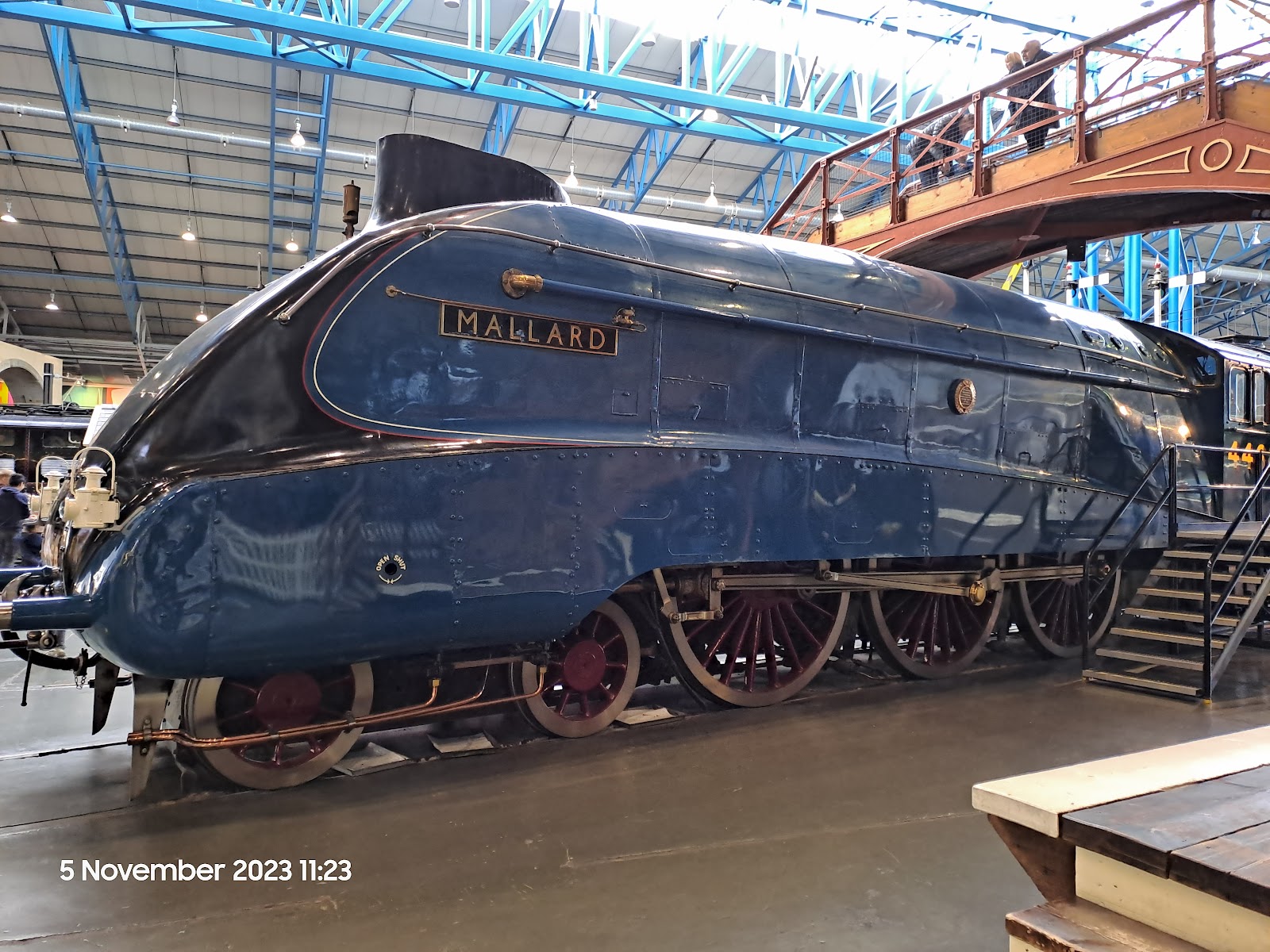
The Great Hall houses an extraordinary collection of locomotives, including Mallard -- the holder of the world speed record for steam locomotives at 126 mph, set in 1938 and never beaten. You can get remarkably close to these enormous machines, walking beneath them and peering into footplates. The Station Hall recreates a Victorian terminus complete with period carriages, whilst the Wonderlab interactive gallery (which does carry a charge) provides hands-on science for families.
The museum runs a regular programme of free talks and demonstrations, and the outdoor area includes a miniature railway and turntable. Allow at least two to three hours, and don't miss the collection of royal carriages, including Queen Victoria's lavishly appointed saloon.
York Art Gallery
Tucked behind Exhibition Square, York Art Gallery houses an outstanding collection of paintings spanning six centuries, from early Italian panels to contemporary British art. The Centre of Ceramic Art (CoCA) on the upper floors is the largest gallery space dedicated to British studio ceramics, with pieces by Bernard Leach, Lucie Rie, and many others displayed in a beautifully lit modern setting.
The gallery's permanent collection includes notable works by L.S. Lowry, David Hockney, and Albert Moore. York Art Gallery charges a modest admission fee, though the gallery is part of York Museums Trust and occasionally offers free entry during special events. Temporary exhibitions may carry an additional charge. The building itself is worth admiring -- a handsome Italianate structure from 1879 that was extensively refurbished and reopened in 2015.
Allow an hour for the permanent collections, longer if you are interested in ceramics. The gallery's cafe in the vaulted basement is a pleasant spot for a reasonably priced coffee and cake.
Leeds: Art, Arms, and Industry
Leeds Art Gallery
Leeds Art Gallery sits prominently on The Headrow in the city centre and holds one of the best collections of twentieth-century British art outside London. The Henry Moore Institute, connected to the gallery, focuses on sculpture from all periods and cultures.
The gallery's particular strengths include works by the Camden Town Group, Henry Moore, born in Castleford near Leeds, and a growing collection of contemporary art. Barbara Hepworth, another Yorkshire-born artist, features prominently. Recent years have seen the gallery significantly expand its representation of artists from diverse backgrounds.
The building's Victorian architecture provides an elegant setting, with high ceilings and generous natural light. The tiled hall on the ground floor -- originally a lending library -- is now a popular cafe, though it operates independently from the gallery. Plan for one to two hours.
Royal Armouries Museum
Down at Leeds Dock, the Royal Armouries Museum houses the national collection of arms and armour in a striking modern building beside the River Aire. Five floors of galleries cover themes from war to hunting, self-defence to the tournament, and the Orient. The collection spans thousands of years and includes items from across the globe.
Highlights include a magnificent elephant armour from India, Henry VIII's tournament armour, and an interactive gallery where you can try on helmets and handle replica weapons. Live demonstrations of jousting, sword fighting, and falconry take place in the outdoor Tiltyard throughout the year, weather permitting.
The museum is genuinely excellent for families -- children are encouraged to touch and try things, and the displays are engaging without being dumbed down. The building is large enough that it rarely feels crowded. Allow two to three hours, and check the daily demonstration schedule on arrival to plan your visit.
Leeds Industrial Museum at Armley Mills
A short bus ride west of the city centre, Armley Mills occupies what was once the world's largest woollen mill. The museum tells the story of Leeds as an industrial city through working machinery, recreated workshops, and social history displays. You can watch printing presses in action and explore the mill's original waterwheel and steam engines.
Whilst a small admission charge sometimes applies for special exhibitions, the core museum is free. The setting beside the Leeds and Liverpool Canal adds atmosphere, and the surrounding park is pleasant for a stroll before or after your visit.
Sheffield: Steel City's Cultural Revival
Kelham Island Museum
Sheffield's industrial story comes alive at Kelham Island Museum, set on a man-made island in the River Don that has been an industrial site since the twelfth century. The star attraction is the River Don Engine -- a colossal twelve-thousand-horsepower steam engine built in 1905 that once powered an armour plate rolling mill. It is run under steam at regular intervals throughout the day, and the noise and power are genuinely awe-inspiring.
The museum traces Sheffield's evolution from medieval cutlery town to global steel capital. You can watch skilled craftspeople demonstrate traditional knife-grinding on a massive sandstone wheel and learn about the "little mesters" -- the independent craftsmen who worked in small workshops across the city. The social history sections covering workers' lives and the impact of two world wars are thoughtfully presented.
Kelham Island itself has become one of Sheffield's trendiest neighbourhoods, with craft breweries and independent restaurants nearby, making it easy to combine a museum visit with lunch.
Weston Park Museum
Sheffield's oldest museum, Weston Park sits in attractive parkland close to the university. Its collections cover everything from archaeology and natural history to Sheffield's social history. The museum does a particularly good job of telling local stories, from the Sheffield Blitz to the city's role in the English Civil War.
The building also hosts regular free temporary exhibitions and events. The surrounding Weston Park provides pleasant grounds for a picnic, and the proximity to the Botanical Gardens (also free) means you can easily fill a full day in this part of the city.
Millennium Gallery
In the heart of Sheffield's city centre, the Millennium Gallery hosts a rolling programme of exhibitions alongside permanent displays of the city's renowned metalwork and cutlery. The Metalwork Gallery showcases Sheffield's craft heritage through beautifully displayed silverware, cutlery, and decorative metalwork spanning several centuries.
The gallery's temporary exhibitions are often drawn from national collections and are consistently of high quality. The Ruskin Collection, a gathering of artworks, minerals, and manuscripts assembled by the Victorian critic John Ruskin for the benefit of Sheffield's working people, provides a fascinating window into nineteenth-century ideas about art and education.
Bradford: Wool, Film, and Photography
National Science and Media Museum
Bradford's most celebrated cultural attraction, the National Science and Media Museum (formerly the National Media Museum) explores the science and culture of image and sound technologies. Admission to the museum and its permanent galleries is free, though the IMAX cinema and some special exhibitions carry charges.
The photography galleries are outstanding, drawing on a collection of over three million photographs. The television gallery traces the history of British broadcasting, whilst interactive exhibits let you try your hand at animation and news reading. The museum's collection includes some of the earliest surviving photographs and the world's first negative.
Bradford itself was designated a UNESCO City of Film in 2009, and the museum anchors the city's film heritage. Allow two hours minimum, and check the programme for free screenings and events.
Bradford Industrial Museum
Housed in Moorside Mills, a former spinning mill in the Eccleshill area of the city, Bradford Industrial Museum tells the story of the city's textile heritage. Working machinery demonstrates the processes that made Bradford the wool capital of the world during the nineteenth century, and the recreated back-to-back workers' houses provide a vivid picture of industrial-era domestic life.
The museum also covers Bradford's engineering heritage, including a collection of vintage cars and commercial vehicles. The horse-drawn transport gallery is unexpectedly charming. Admission is free, and the museum is particularly good for families with children who enjoy seeing large machinery in action.
Hull and East Riding
Ferens Art Gallery
Hull's Ferens Art Gallery, overlooking Queen Victoria Square, reopened in 2017 following a major refurbishment for Hull's year as UK City of Culture. The gallery holds an impressive collection that includes works by old masters alongside contemporary pieces. A painting by Pietro Lorenzetti dating from the fourteenth century sits alongside works by David Hockney, Lucian Freud, and Helen Chadwick.
The marine paintings collection reflects Hull's deep connection to the sea, and the gallery frequently hosts ambitious temporary exhibitions. The building itself is handsome, a 1920s neo-classical design that was sensitively modernised during the refurbishment. Allow one to two hours.
Hull Maritime Museum
Directly across Queen Victoria Square from the Ferens, Hull Maritime Museum occupies the former Dock Offices, an imposing Victorian building. The museum explores Hull's maritime heritage, from whaling in the Arctic to the city's role as one of Britain's largest fishing ports. Models of ships, scrimshaw, and navigational instruments fill the galleries.
The whaling gallery is particularly striking, with a complete whale skeleton suspended from the ceiling. Hull's trawling heritage is covered with sensitivity, acknowledging both the industry's economic importance and the appalling losses of life in distant-water fishing. Free admission. Note: the museum has undergone periods of closure for renovation in recent years, so check before visiting to confirm it is open.
West Yorkshire's Hidden Gem
The Hepworth Wakefield
Whilst not technically free for all exhibitions, The Hepworth Wakefield deserves mention because its main galleries showing the permanent collection are free, and the building alone is worth the visit. Designed by David Chipperfield Architects, this angular concrete gallery sits dramatically on the banks of the River Calder and was named after Barbara Hepworth, who was born in Wakefield in 1903.
The gallery holds a significant collection of Hepworth's work, including plaster prototypes that were in her studio when she died. Exhibitions of modern and contemporary art rotate regularly. The riverside garden features outdoor sculptures, and the building provides one of the most photogenic architectural settings in Yorkshire.
Making the Most of Your Free Museum Visits
Most of Yorkshire's free museums are open daily, though some close on Mondays -- always check opening times before travelling. Several museums offer free guided tours or talks at set times, which can transform a casual browse into a much richer experience.
For families, the school holidays bring extra free activities at most venues. Leeds, Sheffield, and York all have multiple free museums within walking distance of each other, making it possible to visit two or three in a single day. Bradford's museums are slightly more spread out but are well connected by local buses.
Donation boxes are present at most free venues, and a pound or two helps ensure these collections remain accessible to everyone. Many museums also have cafes and gift shops where spending a little supports the institution directly.
Whether you are a lifelong museum-goer or someone who hasn't set foot in a gallery for years, Yorkshire's free cultural offerings are genuinely world-class. The breadth of what is available -- from fine art to steam engines, medieval armour to maritime history -- means there is something here to captivate everyone. And the fact that it is all free makes it all the more remarkable.
Sources & Useful Links
- National Railway Museum — Free admission museum in York housing over 100 locomotives including the record-breaking Mallard
- York Art Gallery — Part of York Museums Trust, home to the Centre of Ceramic Art (CoCA)
- Royal Armouries Museum — The national collection of arms and armour at Leeds Dock, free entry
- Leeds Art Gallery — Outstanding twentieth-century British art collection on The Headrow
- Leeds Industrial Museum at Armley Mills — Former world's largest woollen mill, now a museum of industrial heritage
- Kelham Island Museum — Sheffield's industrial heritage museum featuring the River Don Engine
- Weston Park Museum — Sheffield's oldest museum covering archaeology, natural history and social history
- Millennium Gallery, Sheffield — Home to the Ruskin Collection and Sheffield's renowned metalwork
- National Science and Media Museum — Free galleries exploring photography, film and television in Bradford
- Bradford Industrial Museum — Moorside Mills, telling the story of Bradford's textile heritage
- Ferens Art Gallery — Hull's civic art gallery with works spanning six centuries
- Hull Maritime Museum — Maritime heritage in the former Dock Offices on Queen Victoria Square
- The Hepworth Wakefield — David Chipperfield-designed gallery on the River Calder
- Welcome to Yorkshire — Regional tourism information and visitor guides